Home
News
News and articles
Useful reads on warehouses, stock counts and audits.
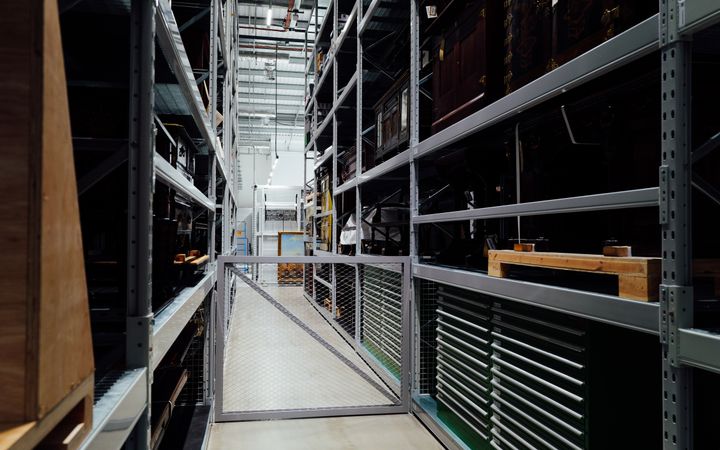 What a warehouse audit is and what it examinesA warehouse audit is more than a recount: it checks documents, storage protection, who authorised each issue and whether the 1C figure matches the shelf.
 Internal vs external audit: when each is neededInternal vs external audit for a warehouse: how the two formats differ, when each one fits and why a mixed model is often the best answer for an owner.
 Drawing up an audit plan: period, scope, resourcesHow to draw up an audit plan: objective, period, scope, resources and time. The plan answers four questions before work begins and ends with a checklist.
 When you need a warehouse audit: 8 signals for ownersGrowing stock adjustments, repeat shortages, movement without documents: eight signs a warehouse needs an audit, plus a one-evening self-check.
 The risk-based approachThe risk-based approach to a warehouse audit: assess what could go wrong and how much damage it would cause, then focus effort where the danger is greatest.
 A risk matrix: likelihood and impactA risk matrix rates each risk by likelihood and impact, and the product shows which problem to tackle first. You can build one in Excel in an hour or two.
All articles (40)
- What a warehouse audit is and what it examines
- Internal vs external audit: when each is needed
- Drawing up an audit plan: period, scope, resources
- When you need a warehouse audit: 8 signals for owners
- The risk-based approach
- A risk matrix: likelihood and impact
- What internal control is: the main components
- A shortage is found: the first week of an internal investigation
- Segregation of duties: no one person does it all
- Physical security: access, keys, surveillance
- Fraud warning signs (red flags)
- Preparing for a warehouse audit: 10 steps for owners and accountants
- Audit evidence: reliable and sufficient
- Sampling documents
- Interviews and observation: evidence beyond documents
- Typical warehouse audit findings and their causes
- Working papers: how an auditor keeps records
- Walk-through: following a process from start to finish
- A process map: from receipt to dispatch
- Warehouse audit when buying a business: checking inventory value
- Cut-off testing: movements at period end
- Consignment and third-party stock
- Valuing inventory: the idea of net realisable value
- 1C versus physical stock: how an auditor reconciles them
- Provisions for obsolete and slow-moving stock
- IT controls: access rights in the warehouse system
- Auditing with data analytics
- A warehouse audit before a loan: presenting stock to a bank
- Stock adjustments: the most sensitive spot
- Auditing returns and write-offs
- Auditing a third-party logistics provider
- Controlling branch warehouses from head office
- Auditing supplier receiving controls
- Classifying audit findings by significance
- The audit report: structure and tone
- Audit results in the books: handling shortages and surpluses
- How to get recommendations across to management
- Following up on recommendations
- When a storekeeper or director changes: a handover audit
- Auditor ethics and independence